
THIS COUNTRY LEADS INTERNATIONAL MARRIAGES AMONG AMERICAN MEN
THIS COUNTRY LEADS INTERNATIONAL MARRIAGES AMONG AMERICAN MEN

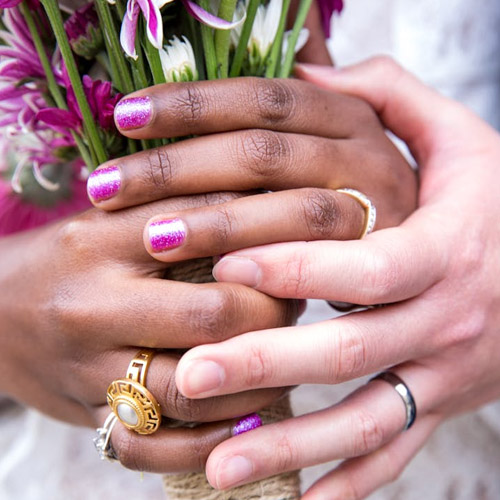
While traditional boundaries of romance are seemilngly dissolving in the modern era, more American men are finding non-platonic relationships across borders, creating families with women from countries hundreds, and even thousands of miles away. This growing phenomenon, while not entirely new, has reached unprecedented levels in recent decades, fundamentally reshaping the landscape of traditional American marriages.
Numbers Tell The Story
The statistics paint a compelling picture. According to recent data, approximately 12.4% of Americans now marry someone from another country, nearly doubling from a historic low of 6.3% in 1980. This figure brings us remarkably close to the turn of the 20th century, when 12.1% of Americans married foreign-born spouses. The Census Bureau reports that roughly one in five married-couple households—about 11.4 million couples—includes at least one foreign-born spouse.
Within this broader trend, estimates suggest that 10-12% of American men specifically marry foreign women. While exact gender breakdowns vary across studies, the pattern is clear: cross-border romance has become a significant part of the American marriage landscape.

Where Romance Crosses Borders
When it comes to international marriages, geography and culture play significant roles in determining patterns. You might have guessed, the Philippines consistently leads as the top country of origin for foreign-born wives of American men. In 2017, nearly 7,000 of the 35,000 K-1 fiancé visas issued went to Filipino citizens—more than the next four countries combined. Filipino citizens accounted for over 20% of all K-1 visas that year, representing a 63% increase since 2005.
However, recent years have shown interesting shifts in these patterns. While the Philippines remains number one, K-1 granted visas to Filipino citizens dropped 44% between 2022 and 2023, from 6,038 to 3,404. Meanwhile, Mexico saw a 40% increase, rising to 2,096 visas and cementing its position as the second-largest source. Colombia, the Dominican Republic, and Cuba have also entered the top ten, reflecting a notable shift toward Latin American countries.
The regional breakdown reveals broader patterns. About 40% of foreign-born spouses in mixed-nativity marriages come from Latin America and the Caribbean, followed by 26% from Europe and 23% from Asia. Proximity matters—Mexico alone accounts for approximately one-fifth of all international marriages, while Canadian marriages dominate northern border states.
The data also reflects geopolitical realities. Ukraine and Russia, once firmly in the top ten countries for K-1 visas, dropped out entirely following the outbreak of war and the closure of U.S. consular services in those regions.
The Digital Revolution in Hook-Ups
The rise of international marriages cannot be separated from the technological revolution in how people meet. Over 50% of marriages between American men and foreign women now begin on international dating platforms. These services have fundamentally transformed the landscape, offering features like advanced matchmaking algorithms, translation services, and video communication that make distance and language barriers far less prohibitive than they once were.
The marriage services industry reports that approximately 90 agencies offer profiles of around 25,000 women seeking American husbands at any given time. With quarterly updates to these listings, the annual number of women available through such services approaches 100,000. While the terminology "mail-order bride" persists, the reality has evolved far beyond its historical origins into a sophisticated digital ecosystem connecting people across continents.
Understanding the Motivations
The reasons American men seek foreign wives are complex and varied. Many cite a desire for "traditional values," feeling that foreign women are more family-oriented and committed to homemaking roles than their American counterparts. Whether this perception reflects reality or stereotype, it undeniably influences decision-making.
Cultural differences also play a role. Many men describe feeling alienated by contemporary American dating culture and seek partners who they believe share their values on family, gender roles, and long-term commitment. Some are divorced and looking for a fresh start with someone from a different cultural background.
It's worth noting that these marriages often involve significant age differences. On average, American men in such relationships are 5-10 years older than their foreign spouses, though some data suggests the gap can be larger—particularly when women marry U.S. citizens before or immediately upon entering the country, where the age difference can reach 7-8 years.
From the women's perspective, motivations vary by region and individual circumstances. Many come from countries with limited economic and educational opportunities for women. However, when asked directly, many foreign women emphasize attraction to American men themselves, describing them as faithful, kind, and better partners than men in their home countries. Cultural factors also matter—some Asian women, for instance, report that men in their countries seek obedient traditional wives, while they themselves desire equality and mutual respect.
The Immigration Journey
The legal pathway for these marriages most commonly involves the K-1 fiancé visa, which allows the foreign partner to enter the United States to marry within 90 days. The K-1 visa process has experienced significant fluctuations, particularly around the COVID-19 pandemic.
Before the pandemic, processing times for the I-129F petition (the first step in obtaining a K-1 visa) ranged from 5-7 months. During the pandemic, these timelines ballooned to a staggering 21 months in late 2022 and early 2023—a threefold increase. However, improvements in 2024 brought processing times down to 8.5 months, and by early fiscal year 2025, they had dropped further to just 6.1 months. These improvements reflect USCIS investments in digital filing, AI automation, and better workload distribution.
Approval rates have also improved. In 2024, USCIS approved 56,382 I-129F petitions—the highest number in 12 years. The denial rate fell from a peak of 37% in 2022 to 27.8% in 2023. However, visa issuances remain below pre-pandemic levels. In 2023, only 19,825 K-1 visas were issued, compared to 35,881 in 2019—a significant gap that reflects continued challenges at the consular interview stage.
Geographic patterns in the United States are also notable. California, Texas, Florida, New York, and Illinois account for 34% of all K-1 visa applications, reflecting settlement patterns in states with large immigrant populations, strong economies, and established international communities.
Success and Stabilityof Marriage
Contrary to some assumptions, international marriages appear to be quite stable. Studies suggest that marriages between American men and foreign women often have slightly lower divorce rates compared to domestic marriages. Data from marriage agencies and the Commission on Filipinos Overseas indicates that fully 80% of such marriages remain intact over the years for which reports are available.
Several factors may contribute to this stability. Many foreign-born wives come from cultures that place high value on marital commitment and family stability. Additionally, these marriages often result from intentional searches through dating platforms, where both partners enter with clear marriage goals rather than through casual dating. The very nature of the immigration process—requiring extensive documentation of genuine relationships—may also select for more committed couples.
Research also shows interesting patterns in remarriage. Foreign-born people are actually more likely than native-born Americans to marry and to remain in their first marriage rather than remarry. Among foreign-born women, 55% had married by age 24, compared with 67% of native-born women. These differences in marriage timing and patterns contribute to variations in overall marital stability.
The Human Element
Beyond statistics and trends lie countless individual stories of people who found love across borders. These couples navigate language barriers, cultural differences, immigration bureaucracy, and often skepticism from family and friends. Yet they persist, building lives and families that bridge continents and cultures.
Mixed-nativity marriages are particularly common among younger women and in certain demographic groups. Women ages 15-24 have about twice the percentage of mixed-nativity marriages as women 55 and over—12% versus 6%. These marriages are also more common among Asian and Hispanic women than among non-Hispanic white or Black women, a pattern likely driven by recent immigration from Latin America, the Caribbean, and Asia.
The impact of these relationships extends beyond the couples themselves. Approximately 13,416 babies were born to international couples in 2024, marking the first increase in such births in 12 years. These children, growing up in bi-cultural households, represent the future of an increasingly diverse America.
Looking Forward
The trend toward international marriage shows little sign of slowing. Global travel continues to become more accessible, online dating platforms make cross-border communication simple, and cultural curiosity about international relationships has grown substantially. The infrastructure supporting such relationships—from specialized dating sites to immigration attorneys to support communities—has matured considerably.
However, challenges remain. Processing times, while improving, still represent months or years of separation for engaged couples. Denial rates at consular interviews remain significant, with many couples facing rejection even after USCIS approval of their petitions. Political factors continue to influence the landscape—policy changes under different administrations can dramatically affect processing times and approval rates.
The future of international marriage in America will likely be shaped by several factors: continued technological innovation in communication, evolving immigration policies, geopolitical stability in key source countries, and changing cultural attitudes toward cross-border relationships.
A Complex Phenomenon
International marriages involving American men and foreign women represent a complex intersection of globalization, technology, economics, culture, and personal choice. They cannot be reduced to simple narratives of exploitation or opportunism, nor romanticized as purely transcendent love stories. Instead, they reflect the messy, human reality of people seeking connection in an interconnected world.
These relationships raise important questions about culture, gender, power, and belonging. They challenge us to think critically about what draws people together across vast distances and differences, and what it means to build a shared life when you come from different worlds.
As America continues to grow more diverse and globally connected, international marriages will likely become an even more common part of the national fabric. Understanding this phenomenon—with all its complexity, challenges, and promise—helps us better comprehend the evolving nature of American family life in the 21st century.
Related News .
Stay updated with the most important events.