
WAYS ICE COULD IMPACT UPCOMING WORLD BASEBALL CLASSIC
WAYS ICE COULD IMPACT UPCOMING WORLD BASEBALL CLASSIC

The 2026 World Baseball Classic is scheduled to begin March 5 in Tokyo, bringing together the world's best baseball talent for international competition which began in 2006. Twenty national teams will compete across venues in Tokyo, San Juan, Houston, and Miami, with the championship game set for March 17 in Miami. Most recently, Jung Hoo Lee of the San Francisco Giants was briefly detained in Los Angeles after forgetting proper documentation by Custom’s and Border Protection agents. Although Lee wasn’t detained by ICE, it does raise questions about how these efforts might affect international athletes traveling to compete as the tournament approaches.
The Current Immigration Enforcement Landscape
Since January 2025, the United States has witnessed one of the most aggressive immigration enforcement campaigns in modern American history – which has led to detaining, and even deporting US citizens. Immigration and Customs Enforcement(ICE) has dramatically expanded its operations, deploying thousands of additional agents to cities nationwide. Recent operations have extended beyond border enforcement to interior raids affecting communities from Minneapolis to Chicago, Los Angeles to even the state of Maine.
According to recent data, ICE has deployed approximately 3,000 agents to Minneapolis alone as part of Operation Metro Surge, while similar large-scale operations have been conducted in Chicago, Los Angeles, and other major metropolitan areas. The agency has added 12,000 new officers and agents to immigration enforcement roles, representing a substantial increase in personnel dedicated to these operations.
Understanding the World Baseball Classic
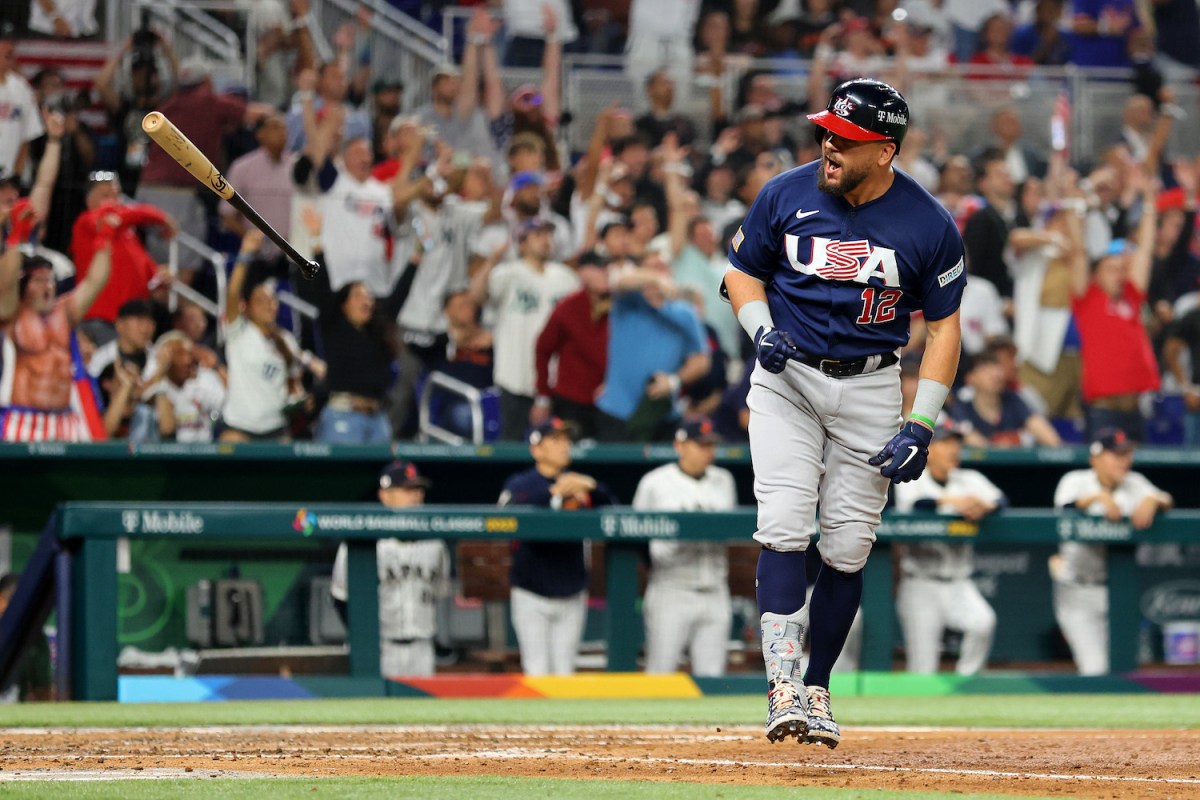
The World Baseball Classic stands as baseball's premier international tournament, sanctioned by the World Baseball Softball Confederation and organized in partnership with Major League Baseball. The competition features the sport's top talent, including MLB stars representing their home countries alongside players from professional leagues worldwide.
For the 2026 tournament, twenty nations will compete, including traditional powerhouses Japan, the Dominican Republic, and the United States, alongside teams from Korea, Cuba, Venezuela, Mexico, Puerto Rico, Canada, Panama, Italy, Netherlands, Israel, Australia, Great Britain, Czechia, Chinese Taipei, Nicaragua, Colombia, and Brazil. Many of these teams feature players who reside and work in the United States during the MLB season but hold citizenship elsewhere.
Visa Requirements for International Athletes
International athletes competing in the United States typically require specific visa classifications. For professional baseball players, the P-1A visa serves as the standard authorization, designed for internationally recognized athletes performing in major leagues or significant competitions. These visas are issued for up to five years or the length of a contract, whichever is shorter.
MLB players from countries including Japan, the Dominican Republic, Venezuela, Cuba, and many others routinely hold P-1A visas allowing them to play during the regular season. The World Baseball Classic, as a major international sporting event, would similarly require such documentation for international participants competing on U.S. soil.
The process involves embassy appointments, documentation review, and approval from U.S. immigration authorities. Even in typical circumstances, delays can occur due to appointment availability, paperwork processing, or routine administrative procedures. During periods of heightened immigration enforcement, additional scrutiny or delays could potentially affect the normal flow of visa processing and border crossings.

Potential Tournament Impacts
The intersection of aggressive immigration enforcement and international sporting events creates several potential complications for the World Baseball Classic. Back in June of 2025, ICE agents were denied entry of Dodger Stadium.
Border Crossing Concerns: Athletes entering the United States for the tournament will need to clear customs and immigration checkpoints. For the hundreds of international players expected to participate in the WBC, any increase in secondary screening, documentation review, or processing time at airports could create logistical challenges. Teams typically arrive days before their first games to train and adjust to time zones. Unexpected delays at customs could disrupt carefully planned preparation schedules.
Atmosphere of Uncertainty: Beyond logistical concerns, the broader climate of immigration enforcement may affect the tournament atmosphere. Players from Latin American countries, in particular, represent a significant portion of WBC participants. Athletes from the Dominican Republic, Venezuela, Cuba, Puerto Rico, Mexico, Panama, Colombia, and Nicaragua comprise multiple rosters. Many of these players maintain homes in the United States during the baseball season and have families residing here.
The heightened visibility of immigration operations in major cities, including Miami and Houston where tournament games will be played, could create an environment of concern even for those with proper documentation. Recent enforcement actions have raised questions about stops and questioning of individuals regardless of documentation status, which could affect how comfortable international players and their families feel traveling to and within the United States for the tournament.
Potential Player Withdrawals: In previous international tournaments, player participation has occasionally been affected by various concerns. If prominent athletes from certain countries decide to withdraw from the tournament due to immigration enforcement concerns, it could diminish the level of competition and reduce fan interest. The WBC's appeal rests largely on featuring the sport's biggest stars representing their home countries.
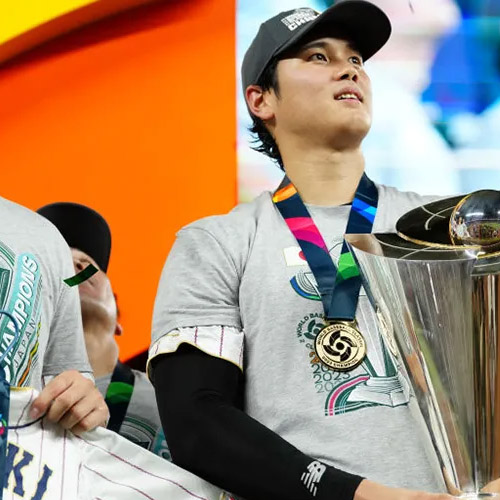
Star players such as Shohei Ohtani, who has committed to represent Japan, or Dominican stars like those expected to suit up for their national team, are the tournament's main attractions. Any reluctance among high-profile international players to travel to the United States could significantly impact the tournament's success and viewership.
Family and Support Staff Travel: Athletes usually don't travel alone to major tournaments. Many bring family members, coaches, trainers, and other support personnel. These individuals may hold different visa types or face different concerns about entering the United States during a period of aggressive immigration enforcement. If players feel uncomfortable bringing family members to watch them compete, or if support staff face difficulties obtaining necessary travel documentation, it could affect team cohesion and player performance.

Economic and Diplomatic Dimensions
The World Baseball Classic generates significant economic activity. Hotels, restaurants, transportation services, and local businesses in host cities benefit from the influx of teams, fans, and media covering the tournament. Miami, hosting the semifinals and championship game, stands to gain substantially from this international event.
However, immigration enforcement operations in tournament host cities could deter international fans from traveling to attend games. Supporters from the Dominican Republic, Japan, Korea, Mexico, and other participating nations have historically traveled in large numbers to watch their teams compete. If potential attendees perceive the current enforcement climate as creating risks for international visitors, ticket sales and related economic benefits could suffer.
From a diplomatic perspective, the WBC serves as a form of soft power, bringing nations together through sport. International baseball strengthens cultural ties between countries and promotes goodwill. Any perception that the United States is unwelcoming to international athletes or fans could undermine these diplomatic benefits and damage relationships with baseball-loving nations.
Historical Context and Precedent
This isn't the first time external factors have threatened international sporting events. Olympic Games have faced boycotts, political tensions have affected World Cup tournaments, and various international competitions have dealt with visa and travel complications. However, the current situation is somewhat unique in that it involves the host nation conducting aggressive enforcement operations against populations that overlap significantly with the tournament's participant demographics.
Previous World Baseball Classics have not faced similar challenges. The tournament has generally proceeded smoothly, with MLB and WBC organizers working closely with immigration authorities to facilitate player travel and ensure proper documentation for all participants. The current enforcement environment represents new territory for tournament organizers.

Mitigation Efforts and Coordination
Major League Baseball, which co-organizes the WBC, has extensive experience facilitating international player travel. The league processes thousands of visas annually for foreign-born players, coaches, and staff. This institutional knowledge and the relationships MLB has developed with immigration authorities over decades could prove valuable in navigating current challenges.
Tournament organizers will likely work proactively with federal agencies to ensure smooth processing for WBC participants. Special provisions or dedicated processing lanes for tournament athletes at airports, similar to what exists for Olympic athletes, could help minimize delays and complications.
Additionally, MLB teams whose players are participating in the WBC have vested interests in seeing those athletes travel safely and return healthy for the upcoming season. This creates additional incentive for organizations to advocate for smooth tournament logistics and player safety.
The Broader Context of Immigration and Sports
Sports have long existed at the intersection of immigration policy and international relations. American professional leagues, particularly MLB and the NBA, feature substantial international representation. These athletes contribute significantly to their sports, their communities, and the American economy. They also serve as cultural ambassadors, strengthening ties between the United States and their home countries.
The current immigration enforcement environment forces a reckoning with how the United States balances border security concerns with the benefits of international exchange, including in the sports world. The World Baseball Classic provides a high-profile test case for whether aggressive domestic enforcement can coexist with successful international sporting events.
Looking Ahead
As March approaches, tournament organizers, participating countries, and individual players will monitor the immigration enforcement situation closely. MLB and WBC officials will likely increase communication with federal authorities to address any potential complications before they arise.
The success of the 2026 World Baseball Classic may depend partly on whether current enforcement policies create tangible obstacles for international athletes or whether existing systems for facilitating sports-related travel prove resilient enough to overcome the broader enforcement climate.
What remains clear is that the tournament represents far more than just baseball games. It embodies the international nature of America's pastime and the connections the sport creates across borders and cultures. How these connections fare in the current enforcement environment will have implications extending well beyond the baseball diamond.
The world will be watching not only to see which team hoists the championship trophy on March 17 in Miami, but also to observe how the United States manages the complex intersection of immigration enforcement, international sport, and global cooperation. The answers could shape not only this tournament but the future of international sporting events in America for years to come.
Related News .
Stay updated with the most important events.