
SHOULD AMERICANS BE WORRIED ABOUT EBOLA? WHAT YOU NEED TO KNOW AND HOW TO PROTECT YOURSELF
SHOULD AMERICANS BE WORRIED ABOUT EBOLA? WHAT YOU NEED TO KNOW AND HOW TO PROTECT YOURSELF

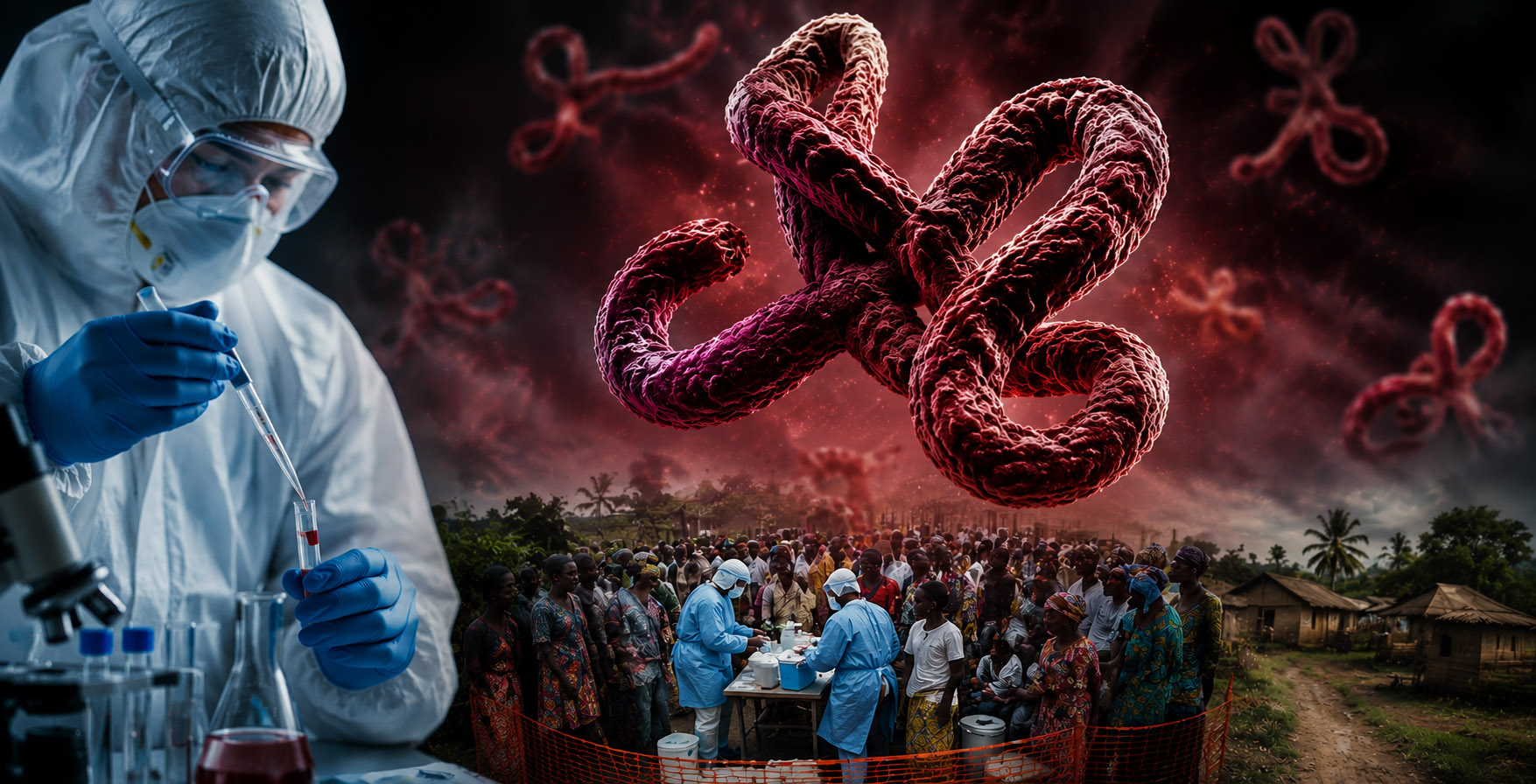
Ebola is currently one of the world's deadliest diseases. Images from previous outbreaks have left lasting memories of overwhelmed hospitals, healthcare workers in protective suits, and communities struggling to contain a highly lethal virus.
Today, a new Ebola outbreak in Central Africa has once again captured global attention. Health officials are closely monitoring the situation as cases continue to rise in parts of the Democratic Republic of the Congo and Uganda. While the disease remains a serious public health threat in affected regions, the question many Americans are asking is simple:
Should we be worried?
The answer is yes—but certainly not panicked. Ebola wont cause a global pandemic like covid-19 did.
Why Ebola Deserves Attention
Ebola is a severe viral disease that can cause fever, vomiting, diarrhea, internal bleeding, organ failure, and death. Depending on the strain and available medical care, mortality rates have ranged from 25% to as high as 90% in some outbreaks.
The current outbreak involves the Bundibugyo strain of Ebola, which has spread through parts of the Democratic Republic of the Congo and Uganda. Health officials have reported hundreds of confirmed and suspected cases, prompting the World Health Organization to declare the outbreak an international public health emergency. (Reuters)
Unlike many viruses that cause mild illness, Ebola can rapidly become life-threatening without medical treatment.
That reality alone is enough to command global attention.
Why Americans Shouldn't Panic
Despite the severity of the disease, health officials stress that the risk to the American public remains low.
According to the U.S. Centers for Disease Control and Prevention (CDC), there are currently no confirmed Ebola cases in the United States linked to the ongoing outbreak. The agency continues to classify the risk to Americans as low. (CDC)
One major reason is how Ebola spreads.
Unlike COVID-19, influenza, or the common cold, Ebola is not airborne. You cannot become infected simply by sitting near someone, walking through a public place, or sharing the same room with an infected person.
The virus spreads through direct contact with bodily fluids such as blood, vomit, urine, saliva, sweat, breast milk, semen, or other fluids from someone who is actively sick with Ebola. (CDC)
This makes widespread community transmission in developed countries far less likely.
Why the United States Is Taking Precautions
Even though the overall risk remains low, U.S. health authorities are not taking chances.
The CDC has increased traveler screening, enhanced monitoring at entry points, and implemented additional restrictions for travelers arriving from affected regions. Hospitals and public health agencies across the country have also reviewed preparedness plans in case imported cases occur. (CDC)
These precautions are designed to identify potential cases early and prevent any spread within the United States.
The goal is simple: stop isolated cases from becoming larger outbreaks.
How Americans Can Protect Themselves
For most Americans, protection starts with awareness rather than fear.
1. Stay Informed From Reliable Sources
Follow updates from the CDC and other public health organizations rather than relying on rumors or social media speculation.
Accurate information is one of the strongest tools during any disease outbreak.
2. Practice Good Hygiene
Regular handwashing remains one of the simplest and most effective ways to reduce the spread of many infectious diseases.
Wash hands thoroughly with soap and water, especially after being in public places.
3. Be Cautious When Traveling
Anyone traveling to affected regions should follow CDC guidance carefully.
Travelers should avoid contact with sick individuals, healthcare settings treating Ebola patients, and potentially infected animals. (CDC)
4. Monitor Symptoms After Travel
People returning from outbreak regions should monitor their health for 21 days and seek medical care immediately if symptoms develop. Early detection greatly improves response efforts. (CDC)
5. Don't Spread Misinformation
Fear often spreads faster than viruses.
False information can create unnecessary panic and make public health responses more difficult. Before sharing alarming claims online, verify them through trusted health authorities.
Lessons From Past Outbreaks
The devastating West African Ebola epidemic between 2014 and 2016 demonstrated how quickly outbreaks can escalate when healthcare systems are overwhelmed.
At the same time, it also showed that coordinated public health responses, contact tracing, screening, isolation procedures, and international cooperation can successfully contain the virus. (CDC)
Those lessons continue to guide health officials today.
The Bottom Line
Ebola remains one of the most dangerous infectious diseases known to medicine. The current outbreak in Central Africa deserves serious attention and continued international support.
However, Americans should focus on preparedness rather than panic.
The virus is not spreading within the United States, health officials consider the current risk low, and extensive screening measures are already in place. (CDC)
Staying informed, practicing good hygiene, and following travel guidance are the most effective steps Americans can take.
Fear is understandable when dealing with a disease as deadly as Ebola. But facts, vigilance, and public health preparedness remain our best defense.
Related News .
Stay updated with the most important events.