
ON THE BRINK: HOW TRUMP'S IRAN DILEMMA COULD REACH AMERICAN WALLETS
ON THE BRINK: HOW TRUMP'S IRAN DILEMMA COULD REACH AMERICAN WALLETS

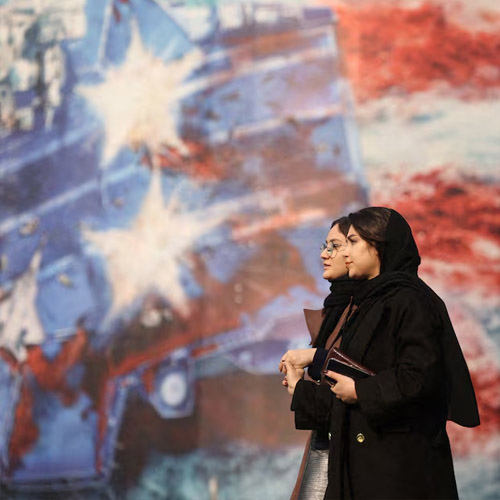
Protests continue in the streets of Tehran as places are burning. In cities across Iran, from the capital's bustling neighborhoods to small provincial towns, hundreds of thousands have taken to the streets demanding change. What began in late December as protests over soaring prices and a collapsing currency has transformed into something far more explosive: the largest challenge to Iran's Islamic Republic since the 1979 revolution.
And now, President Donald Trump stands at a crossroads that could reshape the Middle East—and hit Americans squarely in their pocketbooks.
A Promise Made
"If Iran shoots and violently kills peaceful protesters, which is their custom, the United States of America will come to their rescue," Trump declared on Truth Social in early January. "We are locked and loaded and ready to go."
The statement marked an unprecedented pledge. Never before has an American president promised direct military intervention based solely on how a foreign regime treats its own citizens. It was bold. It was definitive. And as the death toll climbed—with human rights groups documenting nearly 6,000 killed in the crackdown—the world waited to see if Trump would follow through.
This week, sources revealed that the administration is seriously weighing military strikes designed not just to punish the regime, but to reignite the protest movement that has shocked Iran's leadership. A U.S. aircraft carrier and supporting warships have positioned themselves in the Middle East, expanding Trump's tactical options.
But four Arab officials, three Western diplomats, and senior intelligence sources have privately expressed deep concerns: rather than empowering protesters, such strikes could backfire spectacularly, potentially crushing a movement already reeling from the bloodiest government repression in decades.

The Iran Powder Keg
The current unrest didn't emerge from nowhere. Iran's economy has been in freefall, battered by years of U.S. sanctions reimposed after Trump withdrew from the Obama-era nuclear agreement during his first term. Inflation has skyrocketed. The national currency has collapsed. What Iranians once sacrificed for—the regime's support of proxy militias across the region—now feels like a cruel joke after those same proxies were decimated in conflicts with Israel.
The protests evolved quickly from economic grievances to calls for freedom, with demonstrators chanting "Down with the dictator" and demanding an end to the Islamic Republic itself. Videos smuggled out through internet blackouts show security forces opening fire on crowds, bodies wrapped in black bags piling up outside morgues, and grief-stricken families searching for loved ones.
Supreme Leader Ayatollah Ali Khamenei, now 86 and increasingly withdrawn from daily governance, has taken a hard line. "We won't give in to them," he declared, warning that protesters would be considered "enemies of God"—a charge that carries the death penalty in Iran.
For Trump, the calculation is brutally complex. Intelligence analysts suggest the regime may be at its weakest point since 1979. Israeli strikes last year devastated Iran's military leadership and damaged its nuclear infrastructure. Regional proxies like Hezbollah have been degraded. The timing, some argue, may never be better for regime change.
But others warn of a dangerous miscalculation.
The American Cost
While the moral case for supporting Iranian protesters resonates, Americans should brace themselves: any military escalation carries tangible risks that extend far beyond the Middle East and directly into their daily lives.
The most immediate impact? Gas prices.
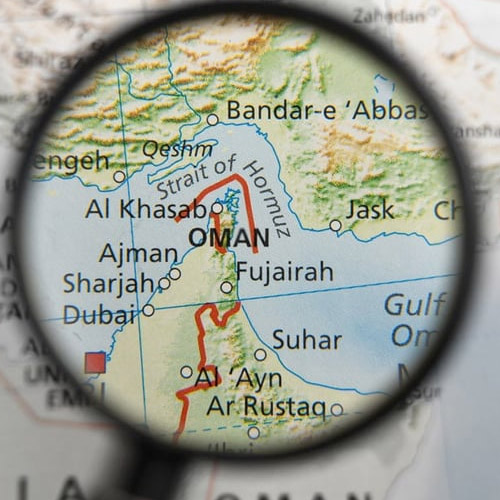
Iran sits astride the Strait of Hormuz, a narrow waterway between the Persian Gulf and the Gulf of Oman through which roughly 21 million barrels of oil—about 20% of global petroleum supplies—flows daily. It's one of the world's most critical energy chokepoints, and Iran's parliament has already approved a measure to close it, though the final decision rests with the country's security council.
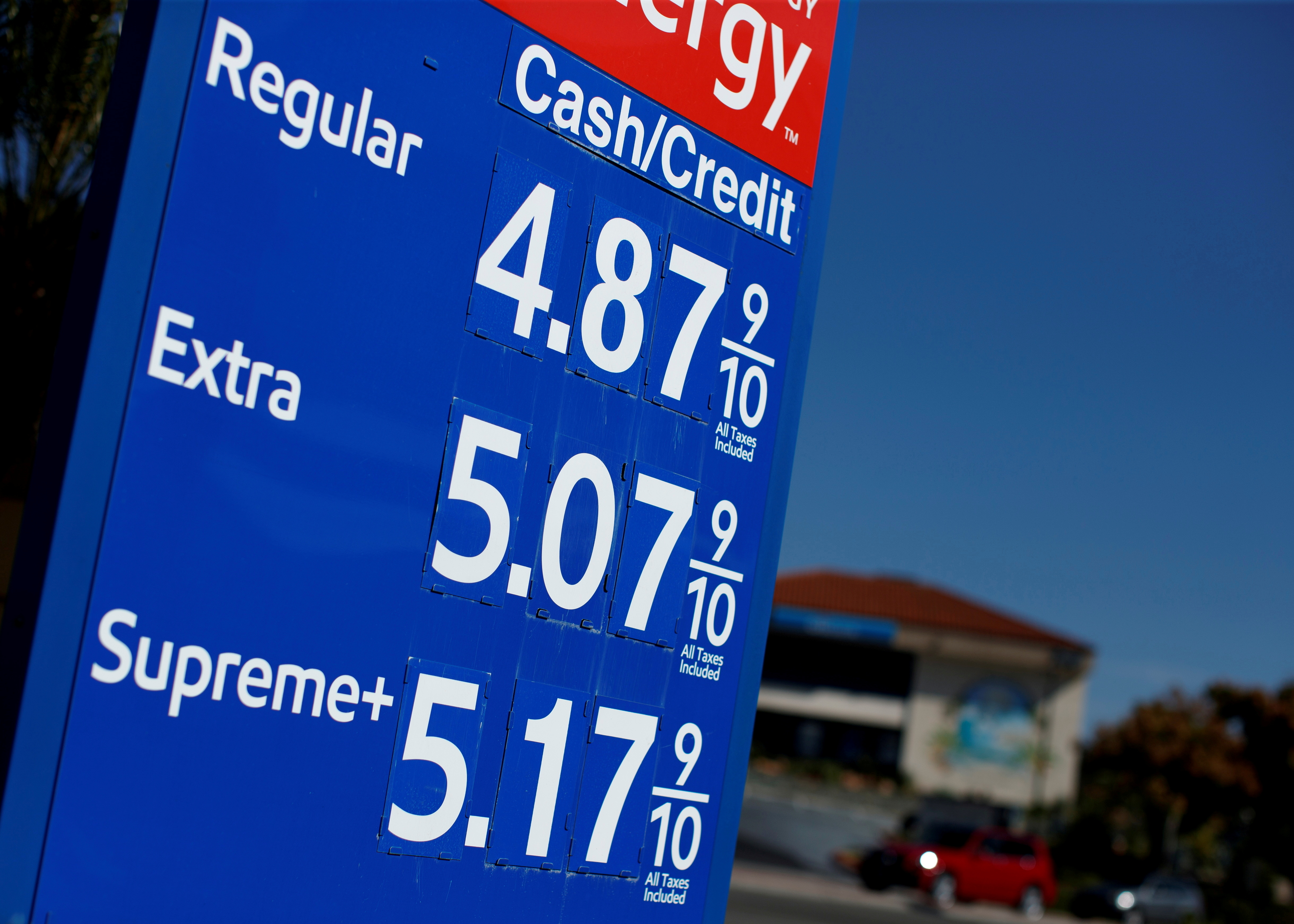
Energy analysts project that even modest conflict escalation could push gas prices up 10 to 25 cents per gallon within weeks. Patrick De Haan, head of petroleum analysis at GasBuddy, notes that while the U.S. doesn't directly buy Iranian crude, Americans cannot detach themselves from the global oil economy.
In worst-case scenarios—if Iran successfully disrupts shipping through the Strait of Hormuz—analysts warn oil prices could surge past $120 per barrel, potentially adding $1.25 per gallon to what Americans pay at the pump. For context, that would push the national average well above $4.50 per gallon, straining household budgets already stretched by inflation.
The ripple effects would extend beyond fuel costs. Higher transportation expenses would drive up prices for groceries, goods, and services across the economy. Stock markets, already jittery about Middle East tensions, could face sustained volatility. TheS&P 500 has historically recovered from geopolitical shocks, but the immediate economic pain would be real for millions of American families.
There are also security concerns closer to home. Iran has threatened that U.S. military bases and personnel in the region—from Qatar to Iraq—could become legitimate targets if Washington intervenes. Already this week, Iranian officials have warned American troops should "take care of their own soldiers," referencing the network of U.S. installations across the Middle East. Any attack on American forces could draw the United States into a broader, open-ended conflict with unpredictable consequences.
The Betrayal Factor
Perhaps most troubling is what's already happened on the ground in Iran. When Trump initially proclaimed that "help is on its way," protesters took heart. They believed American support was imminent. Thousands poured into the streets emboldened by his words.
But when Trump later reversed course—claiming Iranian authorities had promised to stop the killings—the reaction was devastating. "He's not only yellow on the outside, he's also yellow inside," one Tehran arts teacher told TIME Magazine. Another protester said simply: "I've lost all hope. Trump's not going to do anything. Why should he? He doesn't care about us."
The perceived betrayal has been compounded by continued bloodshed. Reports emerged of security forces herding protesters into blocked streets, cutting the lights, and opening fire with machine guns. The death toll continues to climb.
Intelligence sources now suggest Trump's goal may not be wholesale regime change but rather a leadership transition similar to what occurred in Venezuela—replacing the current president while leaving the broader governmental structure intact. Yet experts like Alex Vatanka of the Middle East Institute warn that without large-scale defections from Iran's military and security forces, the protests remain "heroic but outgunned."
The Strategic Gamble
Trump faces competing pressures. His political base, attracted to his "America First" platform, remains wary of new foreign entanglements. Congressional Democrats have already warned that unauthorized military action could be grounds for impeachment. Republican hawks, meanwhile, argue this is a historic opportunity to weaken a regime that has challenged American interests for four decades.
The administration is reportedly considering a range of options beyond traditional airstrikes: cyber weapons to disable Iranian communications and military systems, covert support for protesters including restoring internet access (possibly through Elon Musk's Starlink network), enhanced sanctions targeting regime officials, and targeted strikes on nuclear or military infrastructure.
"The dilemma is at its peak," notes researcher Danny Citrinowicz of the Institute for National Security Studies. "A strong strike could potentially undermine the regime's repression efforts, but at the same time it might lead to greater cohesion within the regime and a broader escalation."
Some analysts believe the most likely outcome isn't dramatic collapse but rather what one described as a "grinding erosion—elite defections, economic paralysis, contested succession—that frays the system until it snaps." That process could take months or years, not weeks.
What Comes Next
As of now, the White House has not confirmed its next steps. Trump continues to monitor the situation, reportedly in regular consultation with Israeli Prime Minister Benjamin Netanyahu, who has his own interest in seeing Iran's nuclear ambitions permanently curtailed.
For ordinary Americans, the coming weeks may bring unwelcome reminders that global events can have very local consequences. Every decision made in the Situation Room, every strike launched from carrier decks in the Persian Gulf, every escalation or de-escalation in this high-stakes standoff has the potential to ripple through gas stations, grocery stores, and stock portfolios across the United States.
The Iranian people's cry for freedom is genuine and moving. Their courage in facing down a brutal regime deserves recognition. But as Trump weighs his options—conscious of both the moral imperative to support democratic aspirations and the practical realities of military intervention—Americans should understand that this crisis is not happening in some distant, disconnected corner of the world.
It's happening in a region that still holds immense sway over global energy markets, financial stability, and U.S. national security. Whatever Trump decides in the coming days won't just determine the fate of protesters in Tehran's streets.
It will determine what American families pay to fill their tanks, heat their homes, and navigate an increasingly uncertain world.
Additional reporting contributed by international correspondents and energy market analysts.
Related News .
Stay updated with the most important events.