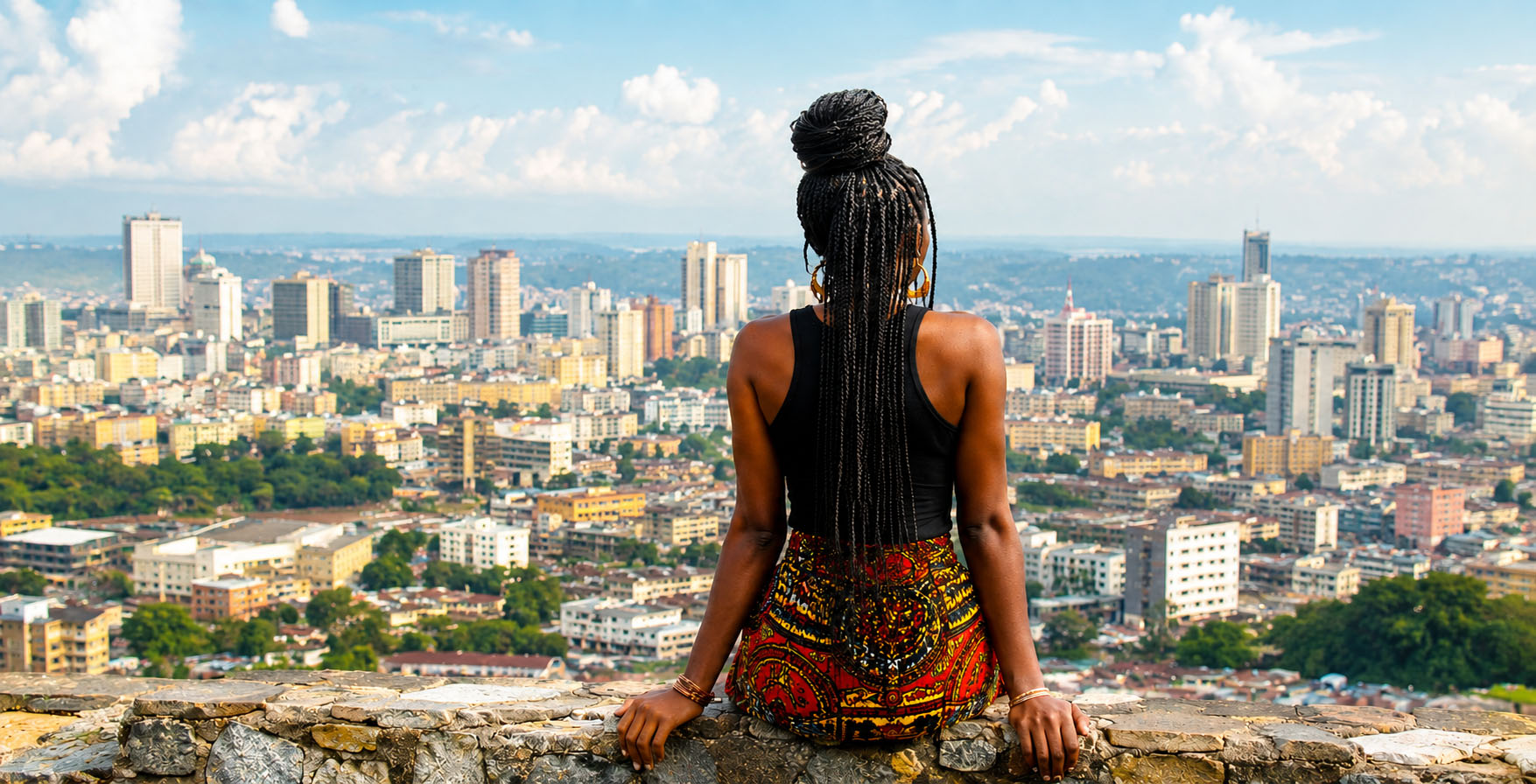

WHY AFRICAN AMERICANS ARE MOVING ABROAD IN RECORD NUMBERS
WHY AFRICAN AMERICANS ARE MOVING ABROAD IN RECORD NUMBERS

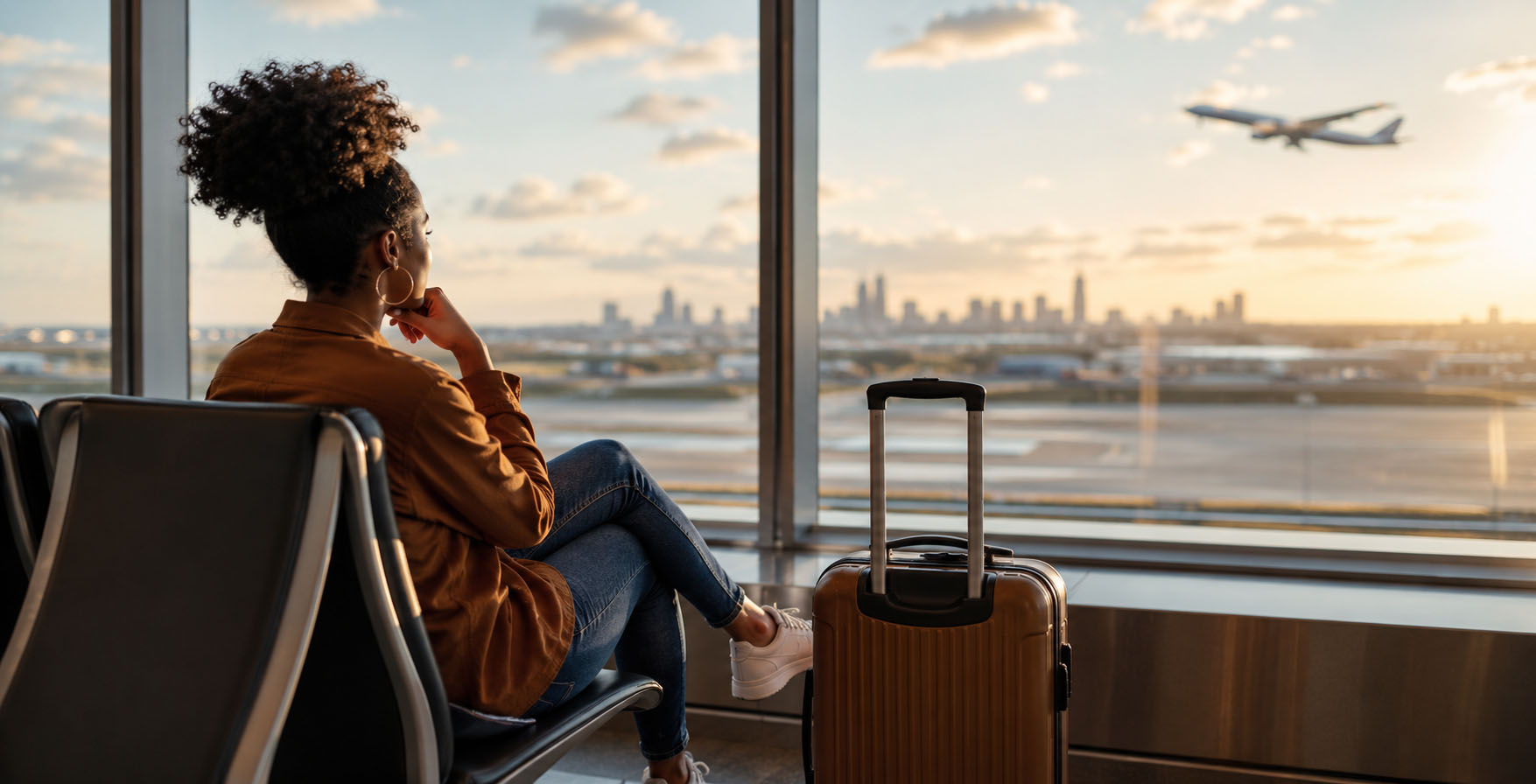
For generations, the American Dream represented stability, opportunity, and upward mobility. But for many African Americans today, that dream feels increasingly complicated. Rising living costs, political division, burnout, racial stress, and a desire for a better quality of life are pushing more African Americans to consider something once viewed as extreme: leaving the United States entirely.
From Ghana to Mexico, Portugal to Colombia, a growing number of African Americans are relocating abroad in search of peace, affordability, opportunity, and personal freedom. Social media has only accelerated the movement, turning what was once a niche lifestyle into a highly visible trend.
While exact numbers are difficult to track, travel agencies, expat communities, and relocation groups have all reported a noticeable increase in African Americans exploring long-term life overseas.
So why is this happening now?
The Cost Of Living Crisis
One of the biggest reasons is financial pressure.
Housing prices across major American cities have skyrocketed in recent years. Rent, groceries, healthcare, insurance, and transportation continue to rise while wages often fail to keep pace. For many middle-class Americans, financial stability feels more fragile than ever.
Some African Americans are discovering they can maintain a higher quality of life abroad for significantly less money.
In cities like Medellín, Accra, Lisbon, and Mexico City, many expats report paying lower rent while enjoying walkable neighborhoods, affordable healthcare, and less daily financial stress. Remote work has made the transition easier than ever. A person earning U.S. dollars can often stretch their income much further overseas.
For some, relocating abroad is less about luxury and more about survival.
Escaping Burnout And Stress
Many African Americans also describe emotional exhaustion from life in the United States.
Political polarization, nonstop social media outrage, racial tension, and economic uncertainty have created a climate that some say feels mentally draining. The rise of remote work after the pandemic gave people an opportunity to rethink what they actually want from life.
Increasingly, people are asking:
“If I can work from anywhere, why stay somewhere that constantly feels stressful?”
Videos from Black expats often go viral online because they portray a slower, calmer lifestyle. Beaches in West Africa, café culture in Europe, or peaceful neighborhoods in Latin America can appear far removed from the pressure cooker many associate with American cities.
For some people, the move is about protecting their mental health.
Reconnecting With Heritage
For African Americans moving to parts of Africa, the decision can also carry emotional and historical significance.
Countries like Ghana have intentionally encouraged members of the African diaspora to visit, invest, or relocate. Ghana’s “Year of Return” initiative in 2019 drew international attention after inviting descendants of enslaved Africans to reconnect with their roots.
Many Black travelers describe experiencing a powerful emotional connection while visiting African countries for the first time. Some eventually decide to stay permanently or split time between the U.S. and Africa.
Of course, relocating to Africa is not always easy. Cultural differences, bureaucracy, infrastructure challenges, and adjusting to a new environment can be difficult. But for many, the sense of belonging outweighs the obstacles.
Social Media Changed Everything
A decade ago, many Americans viewed moving abroad as unrealistic or reserved for the wealthy.
TikTok, YouTube, Facebook groups, and Instagram have completely changed that perception.
Today, Black expats regularly document:
-
apartment tours
-
grocery prices
-
dating experiences
-
healthcare comparisons
-
nightlife
-
cultural adjustments
-
monthly living expenses
Seeing real people successfully living abroad makes the idea feel achievable.
Some creators have built massive audiences simply by explaining how they relocated overseas and how much money they save compared to living in the United States.
The internet has effectively turned global relocation into a visible lifestyle movement.
Safety And Daily Quality Of Life
Another major factor is quality of life.
Many African Americans say they are seeking environments where they feel safer, more relaxed, or less constantly aware of racial tension. Others are drawn to places with stronger public transportation, walkable cities, universal healthcare, or slower-paced lifestyles.
This does not mean racism disappears outside the United States. Every country has its own social dynamics and prejudices. However, some expats say they experience less day-to-day stress abroad than they did in America.
For many people, even small changes — shorter commutes, affordable healthcare, lower crime, or more vacation time — can significantly improve happiness.
Not Everyone Is Leaving Permanently
Despite the viral headlines, it is important to remember that not every African American moving abroad plans to leave the United States forever.
Some people become digital nomads and travel continuously. Others spend only part of the year overseas. Some eventually return home after discovering that living abroad comes with challenges they did not anticipate.
Language barriers, immigration laws, loneliness, cultural adjustment, and being far from family can all become difficult over time.
Still, the growing interest reflects something larger happening in American society. More people are questioning traditional ideas about success, homeownership, and where they want to build their future.
A New Definition Of Freedom
At its core, this movement is about choice.
For many African Americans, relocating abroad represents more than cheaper rent or beautiful scenery. It symbolizes the ability to redefine success outside of traditional American expectations.
Some are searching for peace. Others are searching for opportunity. Some want adventure, while others simply want relief from financial and emotional pressure.
What was once considered unconventional is rapidly becoming normalized.
And as remote work, global connectivity, and international communities continue to grow, the number of African Americans exploring life abroad may continue rising for years to come.
Related News .
Stay updated with the most important events.